
Brokers Are Telling Clients "Buy Now." Here's What That Actually Means for the NW Suburbs
Brokers Are Telling Clients "Buy Now." Here's What That Actually Means for the NW Suburbs.
The Peak-Demand Party Is Winding Down
Let's be honest about what "sales fell nearly 5 percent" actually signals. It's not a crash, it's not a crisis, and nobody needs to duct-tape plywood over their windows. It's the market coming off a genuinely frantic multi-year stretch of bidding wars, waived inspections, and buyers writing love letters to sellers they'd never met. That era is fading, statewide, and brokers who spend their days reading the tea leaves are advising clients accordingly: if you've been sitting on the sidelines waiting for "the market to calm down" before you buy, congratulations, it's calming down, and waiting for spring might just mean waiting for more competition to show back up.
The reporting also flagged something specific to our part of the world — a comparison between Chicago-suburb luxury inventory and what's available across the border in Wisconsin, where housing stock runs deeper and options are broader for buyers shopping at the top end. That's worth filing away if you're a move-up buyer or you're advising clients who keep saying "there's just nothing out there." Sometimes there's nothing out there in a five-mile radius. There's plenty out there in a fifty-mile one.
What "Don't Wait for Spring" Really Means
Every year like clockwork, buyers convince themselves that spring is when the good houses show up, so they park their search until March or April and then act shocked when they're competing with every other buyer who had the exact same idea. Here's the plot twist nobody tells you: spring is when the good houses show up because sellers are told spring is when buyers show up. It's a self-fulfilling prophecy that both sides keep feeding. When sales cool off like they have this fall, that cycle gets a little less locked-in, and there's a real window for buyers willing to shop now, in less crowded conditions, with sellers who are more realistic about price because they can feel the temperature drop too.
For sellers, "don't wait for spring" cuts the other way. If demand has genuinely peaked and is easing off, waiting six months for a hypothetical spring bump means competing against every other seller who had the same idea, plus whatever new construction and price adjustments happen between now and then. A well-priced fall listing in a cooling market can still move fast — it just needs to be priced for the market that exists, not the market that existed in 2023.
Why This Matters for NW Suburb Real Estate
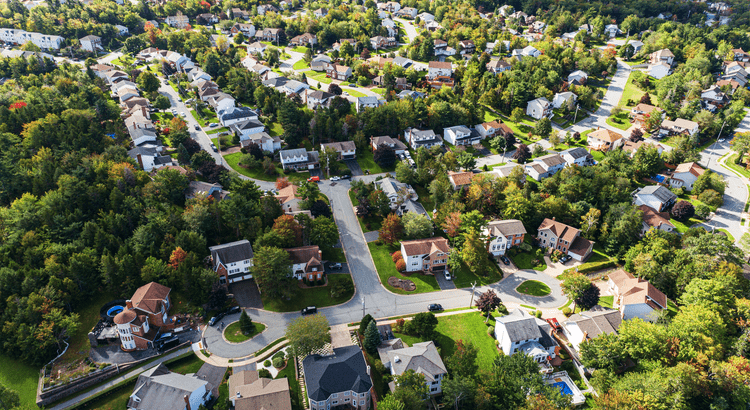
Here in Carpentersville, Algonquin, Crystal Lake, Cary, and the rest of our corner of Chicagoland, this statewide cooling shows up as slightly longer days on market, a little more room to negotiate on things like closing costs or a home warranty, and inspection contingencies that don't automatically get waved away like they did during peak demand. That's good news if you've been priced out of every bidding war since 2022. It's a signal, not a crisis, if you're a seller — it just means your listing photos and your pricing strategy need to actually be good, instead of relying on FOMO to do the work for you.
The bottom line: peak demand ending doesn't mean the bottom is falling out. It means the market is returning to something that resembles normal, where strategy and patience actually matter again instead of just showing up with cash and a prayer.
Buy on your timeline, not the calendar's. The calendar doesn't know your budget. — Jenny
Categories
Recent Posts




It's EASIER to Move When The Jones Team Has Your Back!
+1(224) 622-3237 | jones.team@bairdwarner.com